
What is the Significance of Pind Daan in Gaya?
Discover the significance of Pind Daan in Gaya, its Hindu religious beliefs, important ritual sites, traditional practices, and pilgrimage planning tips.
Gaya, located in Bihar, is one of the most important pilgrimage destinations in India for performing Pind Daan. In Hindu tradition, this ritual is performed to honour deceased ancestors and offer prayers for their peace and spiritual well-being. Many Hindu families visit Gaya to carry out ancestral rites according to their religious beliefs and family customs. Gaya holds a special place in Hindu pilgrimage traditions because of its association with Lord Vishnu, the Vishnupad Temple, and several sacred locations connected with Pind Daan. Performing these rituals in Gaya is traditionally considered significant, and the city attracts devotees throughout the year, particularly during Pitru Paksha.
What Is Pind Daan in Hindu Tradition?
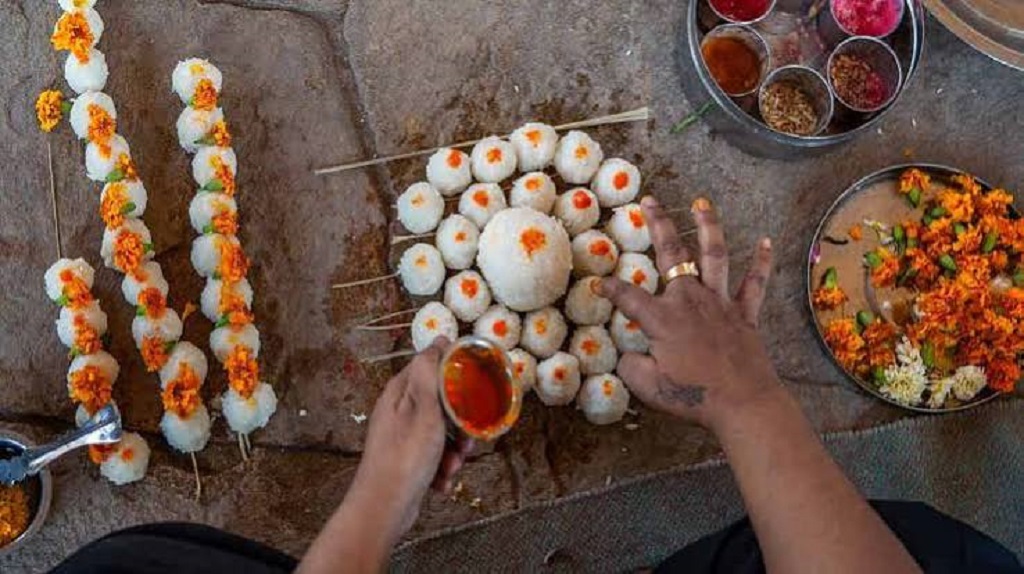
Pind Daan is a Hindu religious ritual performed in remembrance of deceased ancestors. The word Pind refers to an offering, traditionally prepared using rice flour, cooked rice, or other ingredients prescribed by religious customs. Daan means giving or offering. Together, Pind Daan refers to making these offerings as part of ancestral worship.
The main purpose of the ritual is to honour departed family members and express respect and gratitude towards previous generations. According to Hindu beliefs, performing Pind Daan and offering prayers helps support the spiritual well-being of ancestors.
The ceremony generally involves preparing and offering pindas, reciting prayers, and following specific religious observances. The exact procedure may differ according to family traditions, regional customs, and the guidance of a priest. Families often consult a knowledgeable priest to understand the required offerings and complete the ritual according to their beliefs.
Why Is Pind Daan in Gaya Considered Significant?
Gaya is widely regarded as a sacred destination for ancestral rites in Hindu tradition. Its religious importance is connected with local temples, sacred sites, and traditional narratives associated with Lord Vishnu and the remembrance of ancestors.
Religious Significance of Gaya
The Vishnupad Temple is one of the most important religious landmarks in Gaya. Dedicated to Lord Vishnu, the temple is known for the revered footprint believed by devotees to belong to the deity. It holds an important place in the city's religious landscape and attracts pilgrims throughout the year. Gaya is traditionally considered a suitable place to perform Pind Daan because of its association with Lord Vishnu and ancestral worship. Many families travel here to carry out these rites as part of their religious duties and long-standing traditions.
Connection with Ancestors and Pitru Paksha
In Hindu tradition, Pitru Paksha is a period dedicated to remembering and honouring deceased ancestors. During these days, families perform rituals such as Pind Daan, Tarpan, and prayers for their departed relatives.
Gaya receives many pilgrims during Pitru Paksha because performing ancestral rites here is considered especially meaningful. Devotees follow their family customs and religious guidance while offering prayers for their ancestors' peace and spiritual well-being.
Important Places for Pind Daan in Gaya
Several sacred locations in Gaya are associated with Pind Daan and other ancestral rites. The places visited during the ceremony may depend on family customs, priestly guidance, and local arrangements.
1. Vishnupad Temple
The Vishnupad Temple is among Gaya's most revered religious sites. Dedicated to Lord Vishnu, it is an important destination for pilgrims performing ancestral rituals. Many devotees include the temple in their Gaya pilgrimage because of its religious significance.
2. Falgu River
The Falgu River is traditionally associated with ancestral offerings and religious observances in Gaya. Devotees perform prayers and other prescribed rites near the river according to their customs and the guidance of a priest.
3. Akshayavat
Akshayavat is another sacred site associated with Pind Daan in Gaya. It holds significance in local religious traditions, and pilgrims may include it in their ancestral rites as advised by their priest.
How Is Pind Daan Performed in Gaya?
The procedure for Pind Daan may vary according to religious traditions and individual family requirements. The process generally includes the following steps:
Consulting a priest: Families seek guidance about the ritual procedure, offerings, and suitable timings.
Preparing the offerings: Pindas are prepared using ingredients prescribed by the relevant tradition.
Performing prayers: The devotee offers prayers and follows the required observances in remembrance of deceased ancestors.
Visiting ritual locations: The ceremony may involve one or more sacred sites, depending on the prescribed arrangements.
Completing the rites: The ritual concludes according to the priest's instructions and the family's customs.
The offerings, sequence, and number of locations may differ. Families should confirm the arrangements in advance to ensure a smooth pilgrimage.
Summing Up
A pilgrimage to Gaya requires careful planning of travel, accommodation, and local transportation. Arranging these details in advance can help make the visit more convenient, especially during Pitru Paksha when many devotees travel to the city.